
T.H.Educational Solutions, LLC

Mathematics Instruction
Learn how to use learning progressions and student goal setting as an avenue for supporting students' learning of foundational mathematics skills and concepts. Establish students' problem-solving - computation and fact fluency levels using grade level benchmarking tools. Discover how various assessment tools can aid your team in the process of monitoring students learning and support you in the planning of meaningful mathematics instruction that is differentiated to meet the needs of all students.
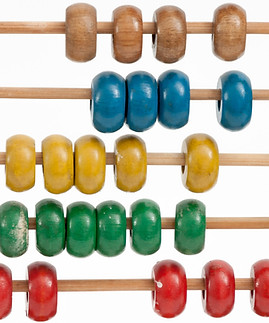
Early Counting
Learn about foundational early counting learning progressions, assessment tools, and meaningful activities, games, and tasks to support instruction.

Addition/Subtraction
Support fact fluency and place value understanding through problem-solving approaches. Use, learning progressions, problem-solving screeners and fluency assessment tools, as well as meaningful activities, games and tasks to support instruction.

Multiplication/Division
Guide the learning of fact fluency and computation through problem solving approaches. Use learning progressions, problem solving screeners and fluency assessment tools, along with games, tasks and engaging activities to support instruction.

Fractions/Decimals
Discover how conceptual learning can lead to procedural fluency and solid understandings of mathematical concepts. Use learning progressions and assessment tools including quality screeners as a means for supporting fraction/decimal instruction.
ELEMENTARY MATHEMATICS INSTRUCTIONAL TOOLS
-
Discover how students can build computational fluency through problem-solving experiences and determine a student's independent and instructional problem solving and computational fluency level.
-
Determine students' foundational numeracy skills and use differentiated instruction to support student learning.
-
Learn how to incorporate student goal setting as an avenue for self-assessment
-
Connect assessment to mathematics instruction and monitor students' progress.

